

Research & perspective
Using award evidence to decide bid/no-bid (without inventing a price)
Comparable public awards show what agencies paid for similar work. Learn how to use that history without treating it as a bid price.
Some screenshots and steps describe an earlier edition of GovGazette. Use Search to explore today's records.
Many first-time federal bidders spend weeks on work that does not fit. The firm may have the wrong size class, lack staff in the place of performance, or lack the capacity shown by past awards.
A bidder can spend hours on a solicitation before finding a set-aside or other rule that bars the firm. Check fit before you plan a proposal.
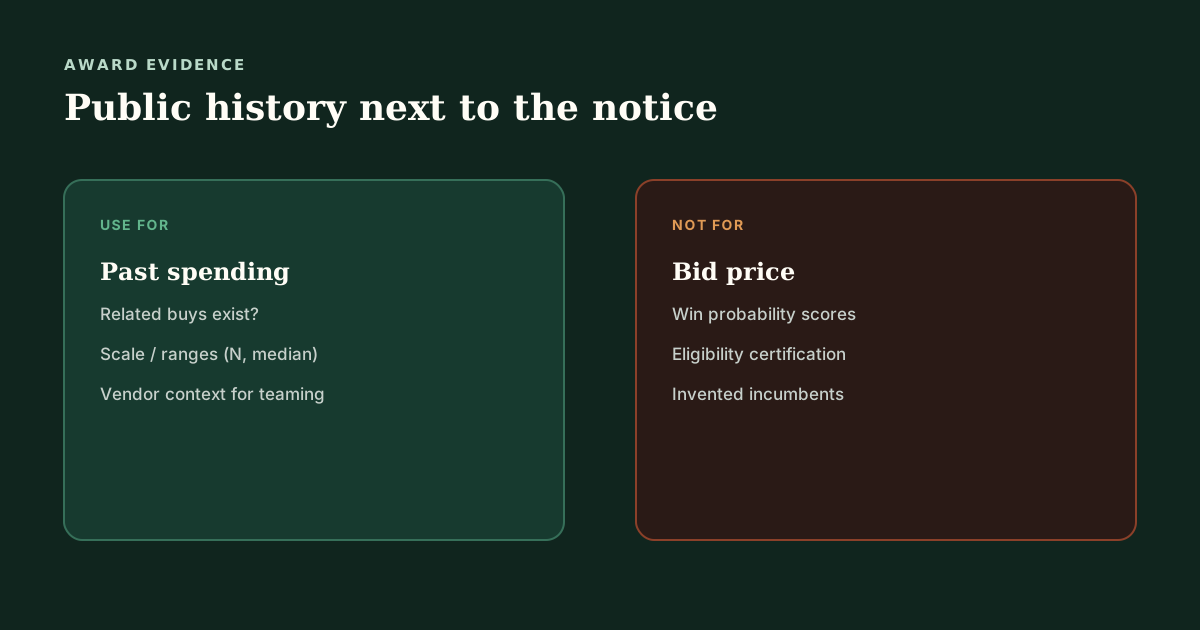
Award evidence is our name for the public award history we show next to opportunities: comparable ranges, sample counts, and vendor details when the data exists. It is not a cost estimate, win probability, or legal advice.
What award evidence is for
Use it to answer these questions:
- Has the government bought related work? If the page has little or no history, check SAM.gov attachments and related NAICS and PSC pages. Do not invent incumbents.
- Can your firm handle awards of this size? Public ranges can show whether past awards were large vehicles or small orders. Use that fact to check capacity, bonding, and teaming. Do not use it as a quote.
- Who won similar awards? Vendor pages by UEI can help with competitor and team research. They do not predict who will win the open notice.
What it is not for
- Pricing. The solicitation, your cost model, and your estimate determine price. History is not a bid.
- Eligibility. You must meet the set-aside and size rules. Comparable awards do not certify your firm as small.
- Certainty. Public data is incomplete, delayed, and filtered. Unknowns stay unknown on GovGazette. We don't fabricate awards.
A short bid/no-bid checklist with evidence
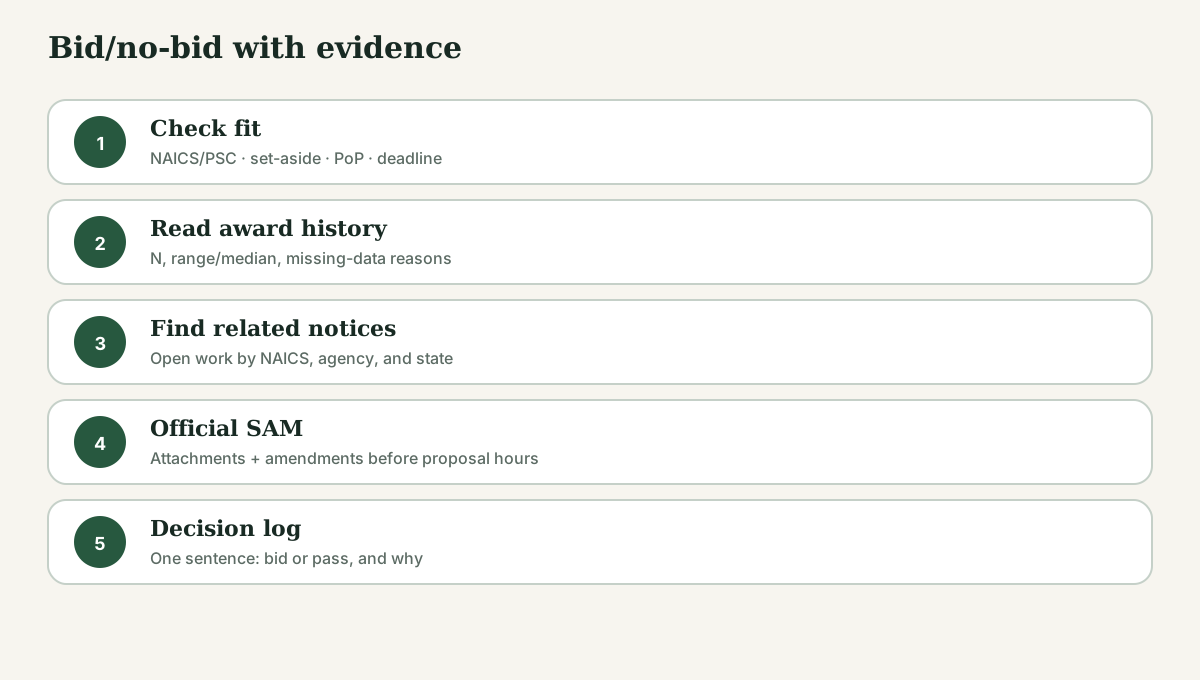
Run these checks before you work on a proposal. If comparable award history is empty, research further. Do not invent facts.
- Check fit: review the NAICS and PSC codes, set-aside, place of performance, and deadline.
- Read award history: note N and any median or range. If no history appears, read the reason.
- Find related notices: open the linked NAICS, agency, and state pages. Check other open notices.
- Check SAM.gov: download the official notice and attachments before you work on a proposal.
- Record the decision: write one sentence on why you will bid or pass. Do not rank work by alert count alone. See our post on change events.
A short record helps you repeat the same checks. Note certification fit, known facts about past awardees, contract size, and your reason to bid or pass.
How GovGazette presents the data
Opportunity pages combine official notice fields with public award history and related links. Guides cover reading an opportunity page and the bid/no-bid process. Browsing is free. You need an account only to monitor work.
GovGazette has no affiliation with SAM.gov, GSA, or the U.S. government. Always check the official source of record.
Key takeaways
- Award evidence is public history next to live opportunities.
- Use it to check past spending and your capacity. Do not use it as a bid price or win odds.
- Use award history with set-aside eligibility, place of performance, and the official SAM.gov package.
- When evidence is empty, investigate. Do not invent.
Next steps
- Browse open contracts or search by NAICS industry.
- Read About for data sources and methodology.
- Follow the First Contract Path if you are new to federal work.